One definition of every KPI: why semantic layers matter for AI analytics

Why AI analytics fails without a semantic layer—and how governed KPI definitions keep natural language answers trustworthy.

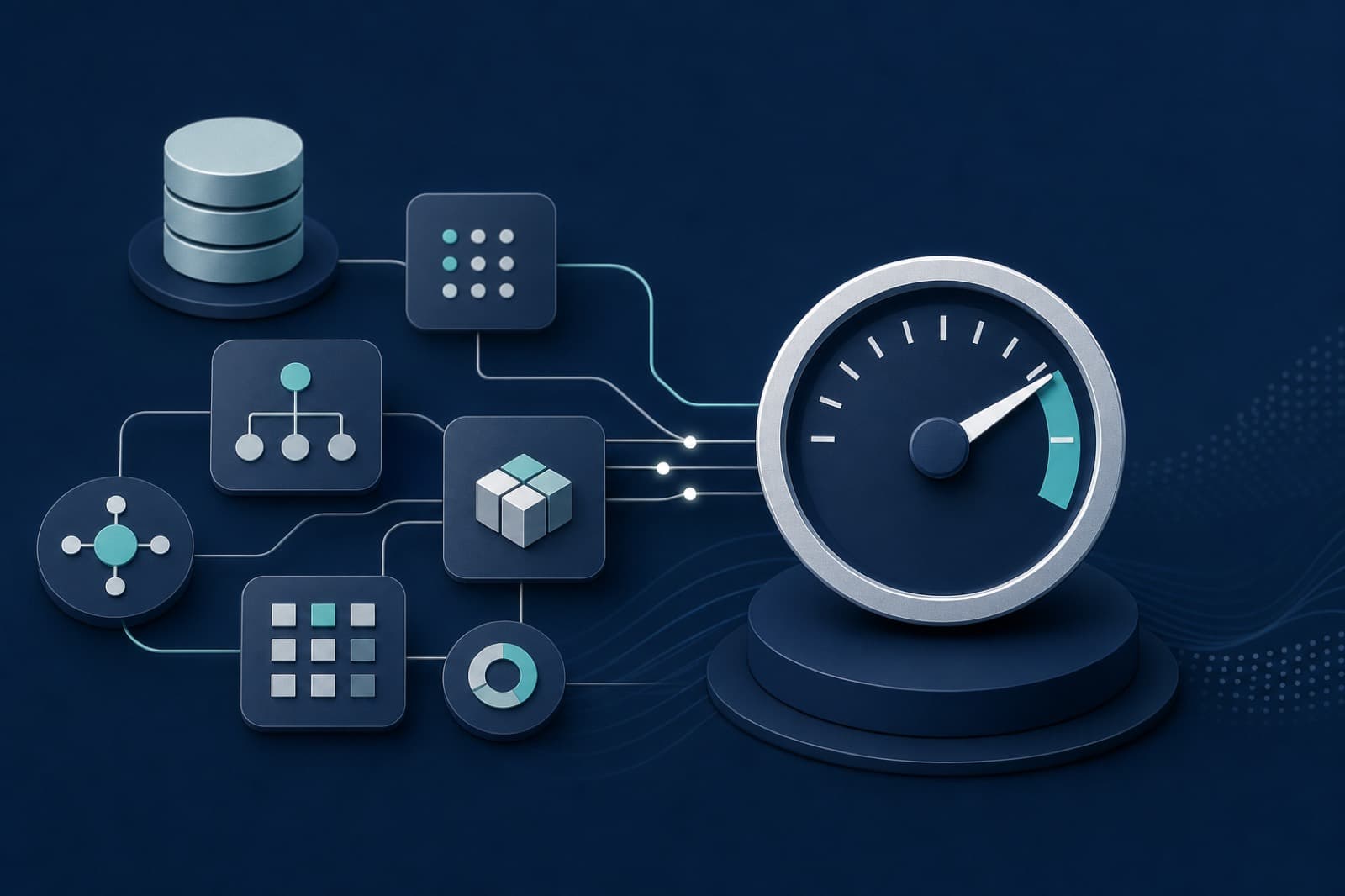
Abstract data nodes converging on a single trusted KPI metric

July 16, 20267 min read

A semantic layer encodes one governed definition for every KPI so AI analytics answers questions with the same numbers your dashboards use—instead of inventing conflicting metrics in natural language.

Key takeaways

  • Without governed metrics, AI amplifies inconsistent definitions faster.
  • Semantic layers sit between the warehouse and both BI and AI interfaces.
  • In a FocusKPI retail engagement, insight generation sped up about 80% with governed definitions.
  • Analyst time on recurring reports fell about 50% when packs reused certified metrics.
  • Start with the ten KPIs leadership argues about most.

The real failure mode of AI analytics

Teams blame the model when revenue “doesn’t match Finance.” The usual root cause is competing definitions across tools and teams.

Natural language interfaces make the problem louder: more people ask more questions against ungoverned tables.

What a semantic layer does

It maps business terms to certified calculations, joins, and grain. BI dashboards and AI assistants should both read from that layer.

VibeDecision and Activate Data engagements treat metric governance as a prerequisite for self-serve—not an afterthought.

How to begin

Inventory disputed KPIs. Document owners and formulas. Encode them once. Only then open broader natural language access.

Augment existing BI; do not rip out certified reporting on day one.

Frequently asked questions

What is a semantic layer in analytics?
A governed business logic layer that defines metrics and entities consistently for dashboards, reports, and AI question answering.
Why do AI analytics need a semantic layer?
So answers use certified definitions and lineage—otherwise AI produces confident but conflicting numbers.
Can we add a semantic layer without replacing our warehouse?
Yes. Most programs add governance on top of the existing warehouse and BI stack.

Have a use case in mind?

Tell us your workflow—we'll recommend a product, custom build, or PoC path.